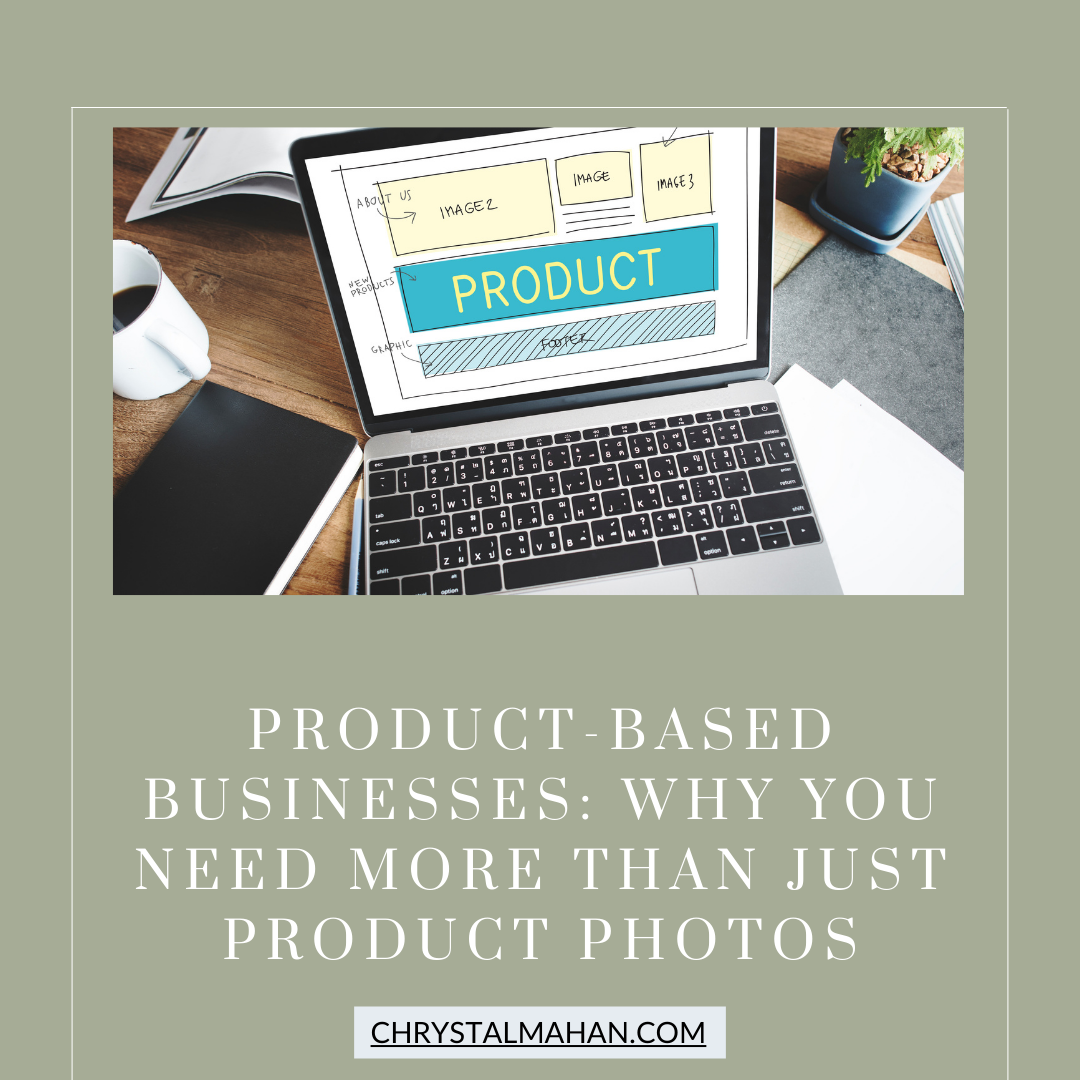
Product-Based Businesses: Why You Need More Than Just Product Photos
You spent hours getting the lighting just right. You styled your products, edited your photos, and posted them with a caption that felt genuinely clever. Then you waited. And waited. A handful of likes trickled in, maybe a comment or two, but the sales notifications stayed quiet. If that feels familiar, you are not alone, and the problem is almost never the product.
Here is what happens in the mind of a potential buyer: they scroll past a beautiful image, pause for a half second, and then keep moving unless something stops them. That something is almost never a product photo on its own. It is a story. It is context. It is the feeling of understanding exactly why this item belongs in their life. Product-based business owners pour enormous energy into the visual side of their brand, and rightfully so, because aesthetics matter. But visuals without narrative leave buyers without a reason to act. They admire the image and move on.
The good news is that the gap between a browsing audience and a buying one is not as wide as it feels. It comes down to content strategy, and more specifically, building a content ecosystem that works alongside your product photography rather than relying on it entirely. This post breaks down exactly what that looks like, why it matters, and how to start building it today.
Why Product Photos Are Only Half the Story
Social media feeds are more crowded than ever, and the average consumer sees hundreds of marketing images daily. Against that backdrop, even the most stunning product photography can get lost in the noise. What makes a brand memorable is not just what it looks like but what it communicates. A product photo shows what you sell. Content strategy communicates who it is for, why it matters, and what life looks like with your product in it.
Consider the psychology of online purchasing. When a buyer lands on a product page or a social profile, they are trying to answer a series of questions almost subconsciously. Can I trust this seller? Will this item solve my problem or bring me joy? Does this brand understand my life? Product photos can hint at answers, but written content, video, storytelling, and community engagement are what actually close those gaps. Without them, even a genuinely excellent product struggles to convert.
This is not a criticism of product photography. High quality images are essential, and they remain the backbone of any product-based brand’s visual identity. The shift in thinking is simply this: photos are the opening line, not the whole conversation. A content strategy gives your brand the rest of the story to tell, and that story is what turns browsers into buyers and buyers into loyal repeat customers.
The Content Types That Actually Drive Sales for Product Sellers
Building a content strategy does not mean producing content for the sake of it. For product-based businesses specifically, the most effective content formats tend to fall into a few distinct categories, each serving a different role in the buyer journey. Understanding those roles helps you create with intention instead of just filling a posting schedule.
Educational content is one of the highest-performing formats for product sellers because it builds trust before a buyer ever reaches your shop. This might look like a blog post about how to care for a handmade item, a short video explaining the process behind your craft, or a social caption that shares the inspiration behind a specific collection. When buyers understand the thought and skill that goes into what you make, the perceived value of your products rises naturally. That shift in perception directly impacts purchasing decisions.
Lifestyle and behind-the-scenes content serves a different but equally important purpose: it humanizes the brand. People buy from people they feel connected to, and showing the real, imperfect, everyday moments behind your business builds the kind of connection that product photos alone simply cannot create. A flat lay of your workspace, a short clip of your packing process, or a candid post about the challenges of running a small business all contribute to a brand identity that feels genuine and approachable. Combine that authenticity with strategic calls to action and SEO-informed blog content, and you have a content mix that works on multiple levels simultaneously.
SEO and Blogging: The Long-Game Content Tools Product Sellers Overlook
Most product-based business owners invest heavily in social media and relatively little in their own website beyond the shop itself. That gap is one of the most significant missed opportunities in the product seller space. A blog attached to your shop is not just a nice-to-have addition. It is a search engine tool that works for you around the clock, drawing in new visitors who are actively looking for what you sell.
Search engine optimization works by aligning your content with the terms and questions your ideal customers are already typing into Google. When a buyer searches for something like “handmade soy candles for anxiety” or “personalized gifts for book lovers,” they are already warm leads. They already want something in your category. An optimized blog post positions your shop in front of them at exactly the right moment, before they have even heard of you. That is the power of organic search traffic, and it is completely sustainable without ongoing ad spend.
Blogging also gives you a content asset that keeps earning long after it is published. A well-written post can rank on page one of search results for months or even years, continuously directing traffic to your shop. Compare that to a social media post, which typically has a lifespan of hours or days at best. When you think about the return on the time investment, strategic blog content delivers compounding value in a way that social posts simply do not. For product sellers who want sustainable visibility and long-term growth, blogging is not optional. It is foundational.
Email Marketing and Community Building: Turning Followers Into Loyal Customers
Social media platforms are borrowed land. Algorithms shift, accounts get restricted, and the audience you spent years building can become significantly harder to reach overnight. An email list, by contrast, is an asset you own entirely. For product-based businesses, building and nurturing an email list is one of the most important content-adjacent strategies available, and yet it is consistently underutilized.
A thoughtfully managed email list lets you communicate directly with people who have already expressed interest in your brand. These are warm contacts, not cold audiences. They signed up because something you offered resonated with them. When you send them a behind-the-scenes look at a new collection, a story about how a product came to life, or an exclusive early access offer, you are deepening a relationship that was already started. That relationship is what drives repeat purchases, word-of-mouth referrals, and the kind of loyal customer base that sustains a business through slow seasons.
Community building goes hand in hand with email strategy and extends into every content touchpoint your brand has. Responding to comments, asking genuine questions, sharing user-generated content, and engaging with your audience as real people rather than a target demographic creates a brand culture people want to be part of. When buyers feel like they belong to something, they become advocates. They tag their friends, share your posts, and return to shop again without needing to be convinced. That kind of organic loyalty is the highest return on any content investment, and it starts with choosing connection over broadcasting.
How to Build a Content Strategy That Supports Your Product Shop
Starting a content strategy can feel overwhelming, especially when you are already managing the production, packaging, shipping, and customer service sides of a product business. The key is to begin with clarity rather than volume. You do not need to post every day or publish a new blog post every week to see meaningful results. You need a sustainable rhythm built around content that actually serves your audience and supports your sales goals.
Start by identifying the questions your customers most frequently ask, either in your inbox, in comments, or in reviews. Those questions are your content goldmine. Each one represents a gap in the understanding your audience has about your products, your process, or your brand, and each one is an opportunity to create content that builds trust and drives decisions. A single FAQ can become a blog post, a short video series, an email sequence, and a handful of social captions. Content repurposing is not lazy strategy. It is smart resource management.
From there, map your content to your customer journey. Think about what a brand-new visitor needs to see versus what someone who has already purchased once needs to feel. New visitors need trust-building content: educational posts, brand story, and social proof. Returning customers need community and exclusivity: behind-the-scenes access, loyalty rewards, and early announcements. When your content strategy accounts for both groups, you stop losing people at every stage of the funnel and start guiding them naturally toward conversion and retention.
Your Products Deserve a Story Worth Telling
Product photos will always have a place in your brand’s content mix, and a gorgeous image is still a powerful first impression. But your business deserves more than a first impression. It deserves the kind of ongoing content presence that builds familiarity, trust, and loyalty over time. The product-based business owners who grow consistently are not necessarily the ones with the best photography. They are the ones who pair that photography with strategy, storytelling, and genuine connection.
A content strategy is not a luxury reserved for big brands with marketing teams and six-figure budgets. It is accessible to any product seller who is willing to show up consistently, lead with value, and let the story behind the work speak as loudly as the work itself. The audience is out there, searching and scrolling, looking for exactly what you make. Content strategy is simply the bridge that helps them find you and choose you.
Ready to keep building? Explore more posts on content strategy, digital business management, and growing a brand with intention right here on the blog. And if you would like to talk through what a custom content strategy could look like for your specific shop, I would love to connect over a virtual cup of coffee. Reach out and let’s chat about where your business is headed and how strategic content can help get you there.
Like what you read? Drop me a line – let’s chat over virtual coffee.
~ Chrystal